
Charlie Dark - The Listening Room
-
Music
-
Music

Some of the most important musical education happens outside the classroom, whether through pirate radio frequencies, record shops or the dancefloor of a club you probably weren't old enough to be in.
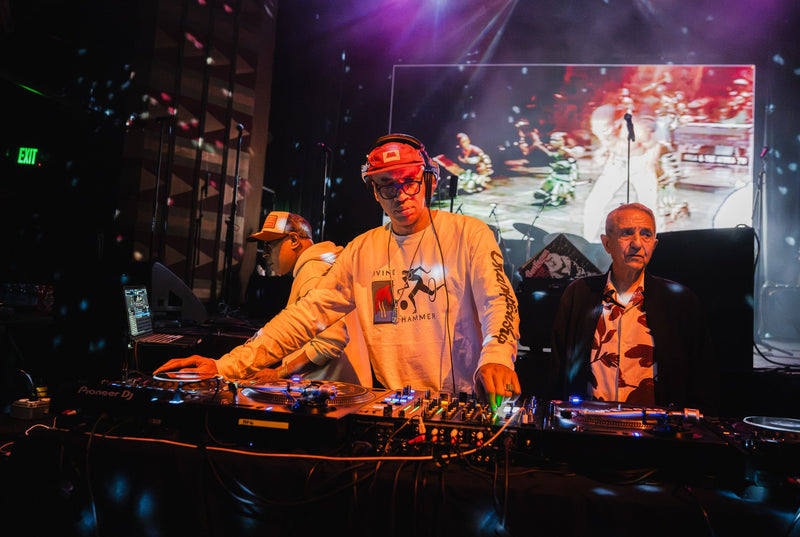
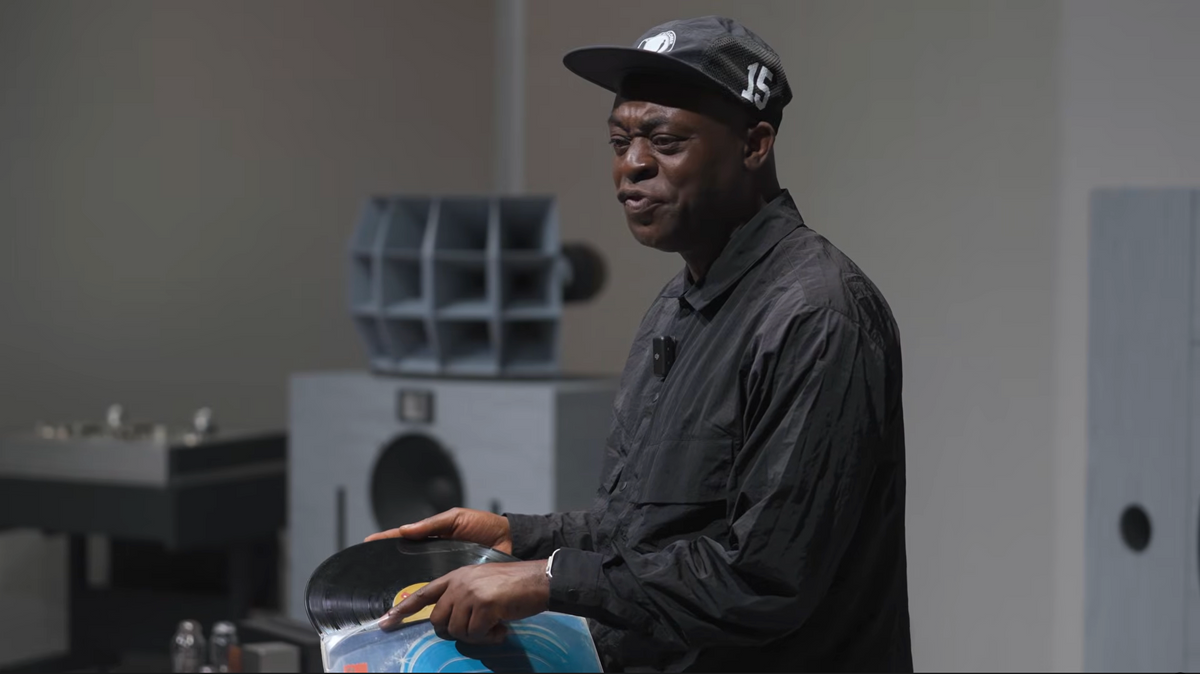
In the latest Listening Room session, DJ and resident host Charlie Dark takes us back to late 1980s London, a time when jazz dance culture was thriving and the worlds of jazz and hip-hop were becoming increasingly intertwined. From discovering music through pirate radio to sneaking into the legendary Dingwalls on a Sunday, Charlie reflects on the records, spaces and communities that shaped his musical identity and ultimately changed his life.
Sharing selections from Art Blakey, Ramsey Lewis, Willis Jackson and more, Charlie explores the musical connections between generations, tracing how jazz influenced hip-hop and how London's underground scenes brought different sounds and communities together.
Get familiar with Charlie Dark as he takes us through the records, stories and dancefloors that helped shape London's musical landscape.
Related Articles
-
Interview by Passion DEEZ | Photography by Aryan Hamyani WB&B started with a barbecue that never happened. Sam Rahman and Jero Leeflang wanted to get their friends together by the lake, bring a sound system and have everyone pull up in white. That idea eventually found its way into TILLATEC, where an all-white room, bottle service, dancers and a surprise appearance from Ronnie Flex gave their first edition a life of its own. Friends for more than a decade, the pair have spent plenty of weekends on the dancefloor together. With backgrounds in production and jewellery, they bring a shared love of hosting into everything they do. WB&B draws on Rotterdam's hip-hop history, the style of white parties in Suriname and the pleasure of finding yourself in a room with people you wouldn't usually meet. The outfits are part of it. So are the unexpected moments and having a proper dance. We've got love for the people creating the nights they want to be at. Ahead of their second edition with Bobby Shmurda at Bitterzoet, we caught up with WB&B to talk about friendship, dressing for the occasion, bringing different scenes together and why the fun starts long before the first track plays. Get familiar below. For anyone just getting familiar, could you introduce yourselves? What were you both doing before WB&B, and how did you start working together? We've been good friends for over ten years. We both come from different creative backgrounds. Jero is a jewellery maker who also organises exhibitions, while Sam works in production. We first started working together on Jero's exhibitions, with Sam helping out on the production side. We've also worked closely together as ambassadors for Aanpak Binnenstad, an initiative from the municipality of Amsterdam. Somewhere along the way, we started talking about throwing a barbecue with live acts, DJs and an all-white concept. We've been going out together almost every weekend since we met, visiting different parties and experiencing different sides of nightlife. The idea was simple: it's summer, let's throw a barbecue by the lake, invite all our friends, bring a sound system and get everyone to dress in white. We know plenty of artists and DJs, so we thought we could create something special together. The barbecue never happened, but the idea made it into the club. How did that first edition come together? The original barbecue never happened, but then SEXYLAND approached us about hosting a room at TILLATEC. We realised we already had this concept sitting there, so why not bring WB&B into that environment? We started thinking about the Rotterdam sound from back in the day, particularly that period when hip-hop and R&B were heavily influenced by club culture. It was the swag era, when everyone was dressed in designer clothes, looking clean, going out with bottle service and VIP tables. There was a whole lifestyle and aesthetic around that music. We wanted to recreate that feeling somewhere completely unexpected. TILLA TEC is normally associated with electronic music and a very different crowd, so bringing that atmosphere into the space felt exciting. Working with SEXYLAND gave us the opportunity to build the concept properly. We decorated the room in white, created a huge VIP deck overlooking the crowd and introduced bottle service. Ronnie Flex even came through as a surprise performer. It was more than just a club night. People had to think about their outfits, the music connected them to a particular era, and the whole experience encouraged everyone to let loose. People got drunk, did scandalous things and had a lot of fun. That's exactly what we wanted. You've spent years going out together. What were you missing, and what makes a night stay with you? We were missing the fun. After going out for so many years, you start recognising what makes a night special. It's the people you're with, the music, the atmosphere and those unexpected moments that happen along the way. Usually, the nights you remember most are the ones where something happens that wasn't supposed to happen. Something funny, ridiculous or scandalous that you'll still be talking about years later. We wanted to bring all those elements together and create an experience where people think about the night before they even arrive. What are they going to wear? What can they expect? Who are they going to meet? We also love playing with expectations. Sometimes you see a flyer, recognise the DJs and already know exactly what kind of night it's going to be. But when you enter a space and the atmosphere is completely different from what you imagined, that surprise makes it special. With WB&B, we want to create those moments rather than leave everything to chance. It's about the music, the theme, the dancers and everything surrounding the party. We want people to experience the full package. You're coming from different creative backgrounds. How does that work when you're putting together the music, the visuals and the overall idea? It's a lot of back and forth. We've worked together for so long that we've naturally developed a way of collaborating. We don't really have a strict division of roles. Production tends to sit more on one side, but conceptually, everything comes together through conversation. Sometimes one of us comes up with an idea, and the other feels something is missing and builds on it. We might start with an idea that's entirely about the experience, without even considering the music yet. Then we'll start thinking about what kind of sounds would work, which artists make sense and how everything fits together. Since our first edition, we've also had venues, agencies and managers approaching us with different opportunities. Sometimes an artist becomes the starting point, and then we ask ourselves what kind of concept we could build around them. The important thing is that it always feels like WB&B. We don't want to book someone just for the sake of booking them. There needs to be something exciting about the experience. The all-white dress code gives people something to work with before they've even left the house. Where did that inspiration come from? Suriname was a big inspiration. We were there together around Independence Day, and the all-white outfits really stood out to us. We also attended an all-white party, and seeing so many people dressed in white together looked incredible. It's a stylish dress code, but it's also very sexy. We don't give people too many instructions beyond pulling up in white, and they take that in completely different directions. Some people come looking really clean and sophisticated, while others arrive in these over-the-top, sexy outfits. That's what makes it fun. The dress code also creates anticipation. People have to think about what they're going to wear, and that means they're already participating in the concept before they arrive. That first edition also paid homage to Rotterdam's hip-hop scene. What does that era mean to you? It's music we grew up with. Artists like Broederliefde, FMG and Equalz were such a big part of that period, and Rotterdam had its own very specific sound. The music videos from that era had a whole club atmosphere. You had the designer clothes, the bottles, the girls and the VIP experience. It wasn't just about the music; there was a style and culture attached to it. We felt like those kinds of parties weren't really happening anymore in the spaces we were going to. There weren't many hip-hop and R&B nights giving us that same feeling. It might sound simple, but bringing fun back to hip-hop is really what we're trying to do. We also have to give props to Ronnie Flex for DJ ROFFA. That project was paying tribute to the same era and sound while we were building towards our first event. People were excited about that music again, so the timing felt perfect. Ronnie Flex · DJ ROFFA (LIVE @ FLEX FM) Having him perform as a surprise act made everything come together. We were bringing that Rotterdam sound into an Amsterdam space where people normally expect something completely different. That's what made it so special, and it's also why Bobby Shmurda feels like such a good match for the next edition. Bottle service, dancers and a VIP deck inside TILLATEC is quite a combination. What happened when those worlds came together? That's exactly what made it exciting. We love parties where you can explore, walk around and meet people you wouldn't normally see every weekend. At TILLATEC, we had people who would never usually go to that venue meeting people who would never normally attend that kind of hip-hop party. You had completely different worlds coming together in one space. We built this raised VIP deck overlooking the crowd, a huge stage and an entire club experience around bottle service. It was strange in the best possible way because you wouldn't expect to see any of that inside TILLATEC. Bottle service is part of the club culture we wanted to reference, but it's about more than buying a table or sitting somewhere exclusive. We had bottle girls changing outfits throughout the night, dancers, an MC and all these people contributing to the atmosphere. It's almost like having five or six hype women keeping the energy going throughout the night. We'd love to bring that VIP experience into every edition, although it depends on the venue. Bitterzoet doesn't really lend itself to the same setup, but we're still bringing the dancers and that energy. For edition two, you're bringing Bobby Shmurda to Amsterdam. How did that go from a conversation to an actual booking? It all happened incredibly quickly. About four weeks before the event, we got a call through a family connection who had been in contact with Bobby. He wanted to do a show in Amsterdam, and suddenly we had this opportunity in front of us. At first, we weren't even sure if we could make it happen. We spent the weekend thinking about it, and then on Monday we decided we had to move quickly. There was a meeting with Bobby in Manchester, and things started becoming real. We paid a deposit, he sent us a promotional video and everything was moving forward. The only problem was that we still didn't have a club. We were about two weeks away from the show, and because it was the last weekend of the month, practically every venue in Amsterdam already had a programme. We'd committed to bringing Bobby over without knowing where he was actually going to perform. After calling almost every club in Amsterdam, we managed to secure Bitterzoet. Looking back, it was probably the best possible venue for the show. Culturally, it makes perfect sense. It's a hip-hop club, and Bobby is such an iconic artist that we felt we had to take the opportunity. What made the process easier was how excited he was about coming to Amsterdam. He was calling us, texting us, sending videos and asking about the venue. There was so much positive energy around it that we knew we had to make it happen. What does Bobby's music mean to you personally? What comes back when you think about that period? We've always loved hip-hop, and Bobby represents such a specific moment in the culture. When "Hot N*gga" came out, it was everywhere. The music, the dancing, the energy in the videos and the way he carried himself were all part of what made him so exciting. It was a huge moment for hip-hop, but also for internet culture. We're not saying it was the beginning of things going viral, but it was one of those early moments when a song, a dance and an artist became impossible to escape online. Then you had records like "Bobby Bitch" and "Computers". Those tracks became part of the soundtrack to that period of our lives. There's something nostalgic about that era, but the energy still holds up today. Bobby has always had this ability to make music that feels raw and exciting while still being fun. That's why we think he'll fit perfectly with what we're trying to build. You've got JayKoppig, Pretty Girls Like Trap Music and Godsendo in the mix as well. What did you want the rest of the programme to bring? We wanted to build a line-up that complements Bobby while keeping the entire night fun and danceable. Pretty Girls Like Trap Music bring that trap sound, but they also know how to mix things up and get people moving. They fit naturally alongside Bobby's performance. Then we have JayKoppig, bringing that Amsterdam connection. Musically, he's coming from a similar corner, so it makes sense to have him on the bill. Godsendo is closing the night, bringing in more Afro sounds and making sure everyone keeps dancing. We think he's one of the best DJs in Amsterdam. We didn't want the entire programme to stay in one musical lane. If the whole night was just drill or trap, it wouldn't necessarily create the experience we're looking for. The DJs surrounding the live performances are there to take everyone on a journey, with those big energetic moments when the artists come onstage. At the end of the day, we want to make sure everyone shakes their booty. That's important too. You've spoken about bringing different scenes into the same room. What connections would you like to see more of in Amsterdam? We don't necessarily think Amsterdam is missing connections, but people do tend to stay within their own bubbles. You have different groups going to different clubs, listening to different genres and experiencing nightlife in completely different ways. For us, the most exciting thing is when people from different backgrounds, cultures and scenes come together in one space. Where you host a party makes a huge difference too. Bringing a particular sound or atmosphere into a venue where people wouldn't expect it creates something much more interesting than simply putting it somewhere familiar. We love hip-hop. It's what we grew up with, and it's a huge part of who we are. But we also love house music, Afro music and plenty of other styles. Sometimes nightlife feels too niche, and sometimes it feels too mainstream. We want to find that middle ground where different people can come together and enjoy themselves. It's about making something that feels believable for everyone without being restricted to one genre or one scene. We want to bring all those different worlds together in our own bubble. With Bobby coming over, you're also looking after his time in the city. What does being a good host mean to you? It's important to us that this is more than just a booking. We're coordinating his stay and want to make sure he has an amazing experience in Amsterdam from the moment he lands until the moment he leaves. We want to take him out for good food, show him around the city and introduce him to the people and places that make Amsterdam special. The whole thing came together so spontaneously, and we've built a direct relationship with him throughout the process. That makes it feel more personal. We want to create a connection rather than simply put someone onstage and send them home afterwards. That's part of what hosting means to us. Before we wrap up, what keeps you wanting to put these things together? The whole thing happened naturally. We weren't sitting around planning to start a party business. We were having conversations about the parties we used to throw and how much fun we had hosting people. We've always enjoyed creating experiences, whether that's organising exhibitions, putting on events or even throwing house parties with ridiculous additions like a fountain of rum. It's about giving people a reason to come together. We think it's important to create things for the place you're from and the people around you. Not everything needs to have some big financial motivation behind it. Sometimes you just want to bring people together, have a drink and create a good memory. With SEXYLAND, things became more serious because there was a proper budget and production involved, but the motivation hasn't really changed. We love making unexpected things happen. We're approaching WB&B from the perspective of people who love going out ourselves. We know what makes us excited to attend a party, and we're trying to create that same feeling for everyone else. At the end of the day, we just love hosting people and bringing different worlds together. From a rum fountain at a house party to bringing Bobby Shmurda to Bitterzoet, WB&B's instinct is to give people something to get involved in. What started as a barbecue between friends has grown into a platform for bringing different corners of nightlife together, with music, style and a healthy dose of unpredictability at its centre. With their second edition approaching, the collective continues to build on a simple idea: a good night out should be something worth remembering. Whether that comes from the music, the people you meet or the moments you never saw coming, WB&B is creating space for all of it. WB&B brings its second edition to Bitterzoet on Saturday, November 28, with Bobby Shmurda, JayKoppig, Pretty Girls Like Trap Music Soundsystem, Godsendo, Essi Chia b2b Folake and Nevsdeboi. Doors open at 23:30. The event is 21+ and the dress code is all white. Get familiar with WB&B and join them on the dancefloor. -
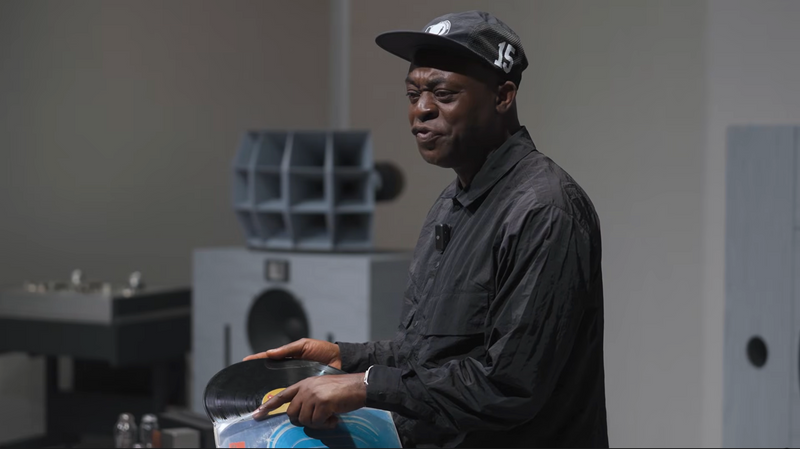
Charlie Dark - The Listening Room
Some of the most important musical education happens outside the classroom, whether through pirate radio frequencies, record shops or the dancefloor of a club you probably weren't old enough to be in.In the latest Listening Room session, DJ and resident host Charlie Dark takes us back to late 1980s London, a time when jazz dance culture was thriving and the worlds of jazz and hip-hop were becoming increasingly intertwined. From discovering music through pirate radio to sneaking into the legendary Dingwalls on a Sunday, Charlie reflects on the records, spaces and communities that shaped his musical identity and ultimately changed his life.Sharing selections from Art Blakey, Ramsey Lewis, Willis Jackson and more, Charlie explores the musical connections between generations, tracing how jazz influenced hip-hop and how London's underground scenes brought different sounds and communities together.Get familiar with Charlie Dark as he takes us through the records, stories and dancefloors that helped shape London's musical landscape.-
Music
-
-

Rich Medina on R.O.A.D Podcast
Photography: Farah SosaFrom the dancefloors of New York to the listening rooms of Miami, few figures have helped shape contemporary DJ culture quite like Rich Medina. With decades of experience behind the decks, the legendary DJ, producer and creative director of Dante's HiFi has built a career around musical discovery, community and an unwavering commitment to the craft.In the latest episode of the R.O.A.D. Podcast, Rich Medina joins the crew for the first of a two-part conversation exploring his journey from DJ to venue owner, the importance of building meaningful connections within local communities and the role of music in creating spaces that go beyond the dancefloor.Reflecting on his experiences at legendary New York institutions like APT, Rich traces the foundations of modern club culture, from introducing the revolutionary sounds of Fela Kuti to American dancefloors to the origins of The Originals crew and their high-energy DJ sessions. The conversation also explores the differences between vinyl and digital, the warmth of analogue sound and what it takes to translate a lifetime of musical knowledge into a physical space like Dante's HiFi.Beyond the records, Rich shares his philosophy on staying true to your own lane, navigating an industry increasingly driven by social media and understanding the responsibility that comes with shaping culture rather than simply participating in it.Get familiar with Rich Medina as he reflects on the records, people and spaces that have defined his journey and the importance of keeping music and community at the centre of it all.-
Music
-
-

Get Familiar: EYCEE
Get Familiar: EYCEE
Interview by Passion DEEZ | Photography by Lily ArwenFor the past decade, EYCEE has quietly become one of the most important connectors in Dutch nightlife. Through PARDON, the platform he founded, he helped introduce sounds, artists and scenes that sat outside the traditional boundaries of Amsterdam club culture, creating space for UK bass, club mutations, emerging talent and cross-border collaborations long before many of those sounds became fixtures on Dutch lineups. This year PARDON celebrates its tenth anniversary with international editions, a growing label catalogue and a reputation for championing artists before the rest of the industry catches up. At the same time, EYCEE's own musical output continues to evolve. Recent releases such as make ‘em dance, Never Enough and Cuevas MAW DUB showcase an artist increasingly comfortable moving between genres while refusing to be boxed into a single sound. As the year draws to a close, after a busy summer of Festivals, club shows and international appearances, we caught up with EYCEE to reflect on ten years of PARDON, the realities of sustaining an independent platform, his relationship with UK music culture, and why creative curiosity remains his greatest asset. PARDON is celebrating its tenth anniversary this year. Looking back, where does the platform stand today?Reaching ten years feels significant because it's never been easy. After COVID we had a really strong run of events where we rebuilt momentum and continued growing the platform. We'd already been talking for years about expanding outside the Netherlands, and the ten-year anniversary felt like the right moment to start doing that properly. The series of international events are happening very organically. We work with promoters and collectives we genuinely respect, and if it feels like there's a natural connection, we'll explore ways to collaborate.Personally, getting to this point means a lot. There were plenty of moments where I doubted things or had to push through difficult periods. That's part of any long-term project. To still be here ten years later feels rewarding, both for me personally and for everyone who's contributed to PARDON over the years.When you look at contemporary dance music lineups, can you see PARDON’s influence?I don't want to take credit for everything, because there are a lot of great people doing good work. But I do think we played a role in introducing certain UK sounds and artists to Dutch audiences, especially in the years after COVID. We've always tried to lead with what we genuinely believe in. If we think an artist deserves a platform, or a sound deserves more attention, we'll try to create space for it.Over the years, I've had local promoters tell me they were inspired by what we were doing and that they wanted to build something similar in their own city. That's probably one of the most rewarding parts of it because it means the impact extends beyond our own events.Has that mission changed over the years?Not really. The specific sounds might change, but the mindset remains the same. We're still interested in finding things that feel fresh and exciting, things that deserve more visibility, and helping create opportunities around them. That's always been the DNA of PARDON.You've worn many hats over the years: DJ, producer, label head, promoter and curator. What takes up most of your time these days?Honestly, there isn't really a typical day. One day I'll spend the morning dealing with logistics for an event, the afternoon organising travel or schedules, and then the evening working on music. I generally separate the administrative side from the creative side. During the day, I'm handling emails, invoices, planning and everything else that comes with running projects. Then in the evening, I switch into studio mode. I actually enjoy working on music at night, because fewer people are trying to reach me. I can focus properly.Amsterdam nightlife has changed dramatically over the past decade. What do you think is better now?I think there are far more opportunities for younger artists. Ten years ago, if you played sounds that didn't fit neatly into established genres, there weren't many platforms available. That's one of the reasons we started PARDON in the first place. Today, there are more bars, smaller venues and experimental spaces where younger DJs can develop, take risks and learn. The barriers to entry are lower than they used to be, and that's a positive thing.Since our last conversation, you've released music on United Identities, expanded the PARDON label and continued developing more of your own productions. Let's start with Queen Bee 2.0. How did that record come together?It's actually quite a funny story. Seb Wes originally sent me the track while I was on holiday in Cyprus. I really liked it, but I felt there were a few things I would have approached differently. So I asked him if I could remix it. He sent me the stems and I started working on it. Then my laptop got stolen, which meant we had to rebuild everything from scratch. By the time we finished reconstructing the record, it had naturally evolved into something new. That's why it became Queen Bee 2.0 rather than simply a remix. It ended up becoming a collaboration and a more developed version of the original idea.Another standout release is make ‘em dance. How did that track emerge?I have an enormous folder of unfinished music. The challenge isn't making tracks, it's deciding which ones deserve to be released. I move between genres constantly. One week I might be making House music, the next week UK-funky, then something bass-heavy or even techno. I enjoy the freedom that comes with that, but it also means I end up sitting on a lot of music. A friend came by the studio and I started playing him various demos. make ‘em dance immediately stood out to him. That conversation helped me realise it should be the next release. It's definitely one of my more energetic records. It feels designed for larger rooms and bigger festival moments.Speaking of festivals, you've already played some major events this year. How has the season been treating you?I'm incredibly grateful. Getting booked for the festivals you've dreamed about playing always feels special. What I enjoy the most is being trusted to play different kinds of slots. One weekend I might be on a house-oriented lineup, the next I might be playing something much more bass-driven or eclectic. For a long time, people have always told me it would be smarter to focus on one sound because it would make my identity clearer. I ignored that advice. Now I feel like that decision is paying off, because promoters trust me to move between different environments while still being myself.Another recent release is Never Enough with DANN. That track started life in London.Yeah, that one came together very naturally. I was in London for a few days, mostly to recharge creatively. I went record shopping, visited Fabric, saw Carista play and generally immersed myself in the city. At the same time, Dann was in town for a writing camp. We met up at Red Bull Culture Clash, had a couple of drinks, went straight to the studio afterwards and started working. Sometimes the best ideas happen when you're outside your normal environment. You're inspired, your ears are fresh and everything feels a bit more open. That's exactly how Never Enough came together. Special shout to Who’s Susan.London seems to be a recurring source of inspiration for you.Definitely. My connection to UK music actually goes back much further than I realised at the time. Growing up, I was already drawn to artists like Gorillaz and records like Freestyler, long before I understood where those sounds came from. Cyprus also has strong historical ties to Britain, so English culture was always present in certain ways. As I got older, that interest naturally expanded into UK garage, dubstep, grime, bass music and everything surrounding those scenes. A huge percentage of the artists I admire and the music I collect still comes from the UK.You've also spent time in Manchester recently. How does it compare to London creatively?Manchester feels different. London is incredible, but there's also a lot of pressure and competition. Manchester feels a bit more collaborative or tight-knit in that sense. It reminds me a little bit of the relationship between Rotterdam and Amsterdam. There's less focus on status and more focus on supporting each other and building things together. I really enjoyed the atmosphere and had a great time over there. Looking ahead, what excites you most about the future?I'm thinking a lot about legacy recently. That sounds dramatic, but I think when you've spent ten years building something, you naturally start asking what comes next. I'm increasingly interested in creating things that go beyond club nights. I want to think about how we can bring people together, share knowledge, create opportunities and help inspire younger generations.And musically?The hard drives are full. I've got a huge archive of music waiting to be finished, refined or released. Right now, the challenge is figuring out the best way to share these tracks with the world. There's a lot more coming, trust! For EYCEE, ten years of PARDON isn't a finish line but proof that independent ideas can have lasting impact when they're guided by conviction rather than trends. Whether introducing overlooked artists, building bridges between scenes or continuing to push his own productions into new territory, his approach remains rooted in curiosity above all else. As PARDON enters its second decade and his catalogue continues to grow, it's clear that neither the platform nor its founder are interested in standing still. If the first ten years were about creating space for new sounds, the next chapter looks set to focus on building an even broader legacy—one that extends beyond the dancefloor and into the communities that keep it moving. Watch EYCEE b2b Chale at Patta x Keep Hush now.-
Get Familiar
-
-

Kinderdag Festival 2026
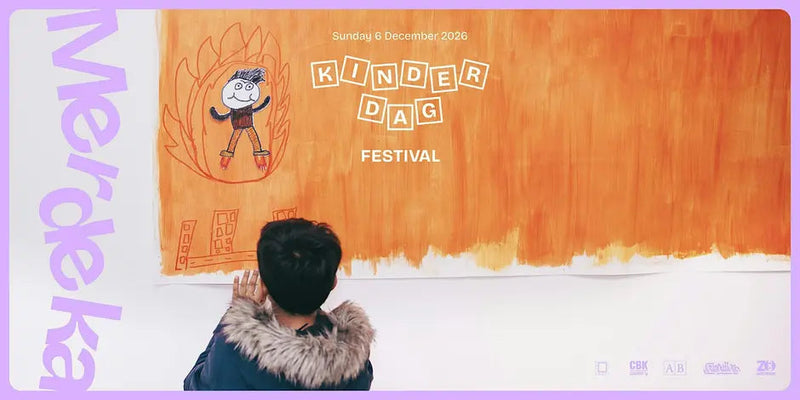
Kinderdag Festival returns to Amsterdam Zuidoost on Sunday, December 6, bringing children aged 2 to 12 and their families together for a day of art, music, dance and discovery. An inclusive alternative to traditional December festivities, the annual festival creates space for every child to feel seen, welcomed and celebrated.This year’s theme, Merdeka! (Freedom), opens up conversations around Indonesian independence, family histories, colonial history and memory. Giving particular space to Indonesian and Indo-Dutch perspectives, the programme explores these subjects through activities designed for different ages, with creativity and fun at the centre.The day begins at OSCAM, where families can collect their stamp cards and programme information before exploring activities across the neighbourhood:B/A/M/ — Bijlmerplein 875: Creative workshops led by the Children’s Museum Directors and a collective closing celebration.Foundation — Bijlmerplein 99–100: Indonesian dance workshops and Staat Sterk, an interactive theatre performance.CBK Zuidoost — Anton de Komplein 120: Two creative art workshops led by artist Snars.ZOJazz Lounge — Bijlmerplein 888: Jam sessions where children can make music together.Athenaeum Boekhandel — Bijlmerplein 1009: Storytelling sessions for the youngest visitors.One ticket per child gives access to the entire festival. Children collect a stamp for every activity they join, before bringing everyone back together for a closing party with families and makers. Collect the final stamp at the celebration and receive a special goodie bag.Tickets are donation-based, so families choose how much they would like to contribute. Every donation helps keep Kinderdag Festival accessible to all children. Please note that only one ticket per child can be purchased at a time.If you prefer your child not to be photographed or filmed, add a ‘Do Not Film Me’ button to your ticket order. You’ll receive a red button on arrival for your child to wear throughout the day.Sunday, December 6, 202612:00–17:00Start at OSCAM, Bijlmerplein 97, 1102 DA Amsterdam ZuidoostBring the family, explore the neighbourhood and celebrate together.-
Events
-
-

YOUNGSTERS - Patta Running Team
Winter sessions on a dark track, a hybrid race that pushed everyone to the edge, a training camp where a group had to become a team, and a race day nobody ran alone. YOUNGSTERS follows the fifth edition of the Patta Running Team Youngsters programme, from the first kick-off to the finish line on 16 May 2026. "The input is 100 percent, but the crew love is 300 percent." A Patta Running Team film. Powered by Samsung Galaxy.-
Film & Documentaries
-
Patta Running
-
-

PAX the humanoid at NAR
From the Kyteman Orchestra to his old-school band ILLICIT and appearances at festivals including Roffest and OFF THE TRACKS, PAX has spent years carving out his own space within the Dutch music scene. As PAX the humanoid, he continues to explore his individual sound, bringing together years of musical experience and creative experimentation.On November 20, PAX the humanoid takes over NAR to celebrate the release of his second album. More than just an album launch, the evening brings together music and visual art, featuring a special vinyl release, an exhibition showcasing artwork by Job Kind and a live performance led by Niels Broos.Bringing together the different creative worlds that have shaped his journey, the event offers a chance to experience the new project beyond the record itself. Join the celebration at NAR on November 20; tickets available now.-
Events
-
-

Neti È Kon by Fidelio Faustino
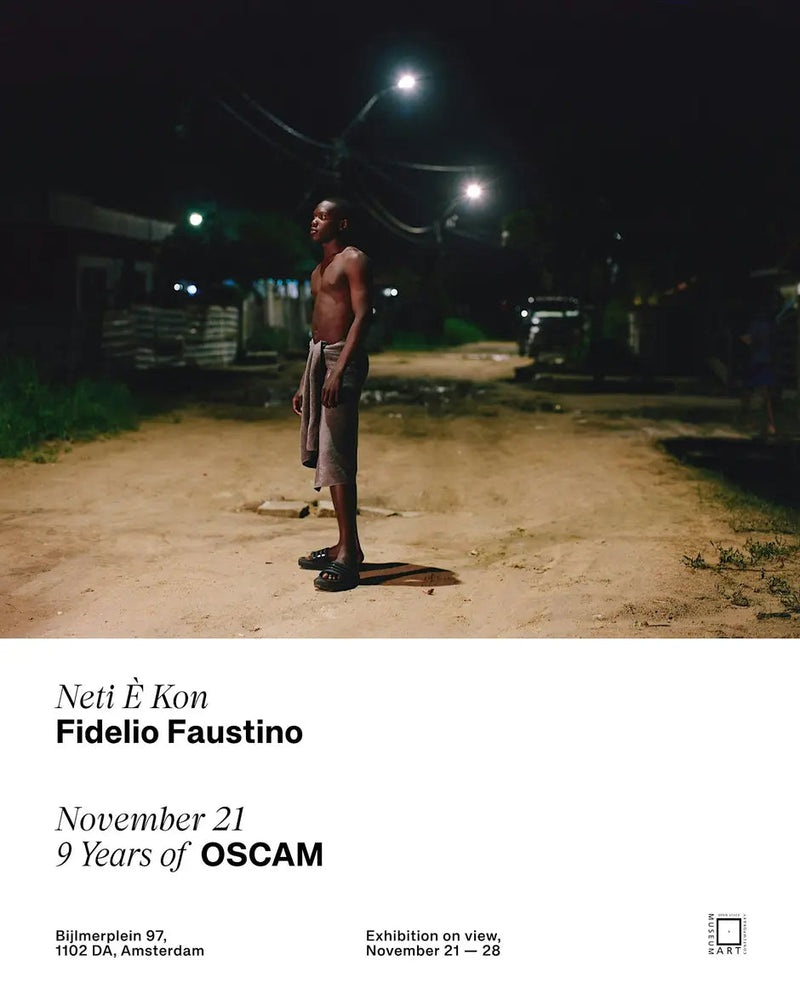
Rooted in Amsterdam Zuidoost and connected to makers and creatives across borders, OSCAM has spent nine years making space for diverse stories, new perspectives and talent. Ahead of its official anniversary on November 25, OSCAM brings the community together on Saturday, November 21 to celebrate with music, good company and a special pop-up exhibition. For the occasion, photographer and director Fidelio Faustino presents Neti È Kon, which translates from Sranantongo as ‘The Night Is Coming’. Drawing on memory, spirituality and fantasy, Faustino explores the possibilities of Black and Indigenous imagery, examining nostalgia and belonging as feelings we create and shape through our experiences. The exhibition captures the spirit of the night in Suriname and the hours that remind Faustino of home. Through his images, he invites visitors to reflect on their own understanding of home, the memories attached to it and the ways we build a sense of belonging. Come through on Saturday, November 21st to celebrate nine years of OSCAM and get familiar with the work of Fidelio Faustino.-
Events
-
-

Get Familiar: LUWA
Get Familiar: LUWA
Interview by Passion DEEZ For Luwa.mp4, being alternative has never simply been about how something looks. It is a way of thinking: questioning convention, building worlds from scratch and finding new ways to communicate a Nigerian identity without reducing it to something immediately recognisable.Born and raised in Ibadan before spending formative years in the UK, Luwa’s relationship with music began in high school but became all-consuming during his gap year in 2019. What started with hyperpop experiments has since expanded into something harder to categorise, pulling from punk, electronic music, video games, Nigerian sounds and the visual language of science fiction.Now back in Nigeria, Luwa is refining a universe of his own. He calls the wider aesthetic petrol punk: something raw, futuristic and unmistakably rooted in where he comes from without needing to announce itself as “African” at every turn.Ahead of his appearance at WAF Skatepark for adidas Originals x Sp5der hosted by Patta Lagos, we caught up with Luwa.mp4 to talk about growing up outside Lagos, rebellion, Nigeria’s new underground, world-building, the meaning of being alternative and his latest project, Young Riot.For anyone getting familiar with you right now, what do we need to understand about where you come from and the artist you’ve become?Music really started for me back in high school, but when it became my whole life was during my gap year in 2019. I had just come back to Nigeria because I spent the later part of high school in England and did my A-levels there. I tried a lot of other things. I was a science student and at one point I thought I wanted to go into investment banking, but music was always the thing I kept coming back to.Right before COVID, I started writing a lot of songs. Then COVID hit and I realised music was what I could actually see myself doing for the long run. I went back to England later in 2020, but I got to a point where I was like, I don’t think I can do school because music is genuinely all I can think about.I moved back to Nigeria in 2023, and I think that was really necessary. When I first started making music, I was making a lot of hyperpop, but moving back helped me think about what I actually represent. I’m very Nigerian. I grew up here my whole life. I didn’t even grow up in Lagos, I grew up in Ibadan. Nigeria is in my blood, so I had to ask myself: what does that look and feel like when I give that part of myself to the world? I’ve always approached music from quite an alternative and punk mindset, but every year I feel like I’ve grown deeper into this punk identity.You grew up somewhere fairly traditional but became an artist whose identity is built around challenging convention. Where does that rebellious instinct come from?My parents are more liberal than the typical Nigerian parents, but one thing they always encouraged us to do was think differently. That was almost the status quo between me and my siblings.Growing up in Ibadan and then going to boarding school in Lagos, I always felt like an outsider. There might have been one other person from where I was from, while everybody else could relate to the same things and the same kind of upbringing. I think that made me understand early that maybe I just see things differently.Even when I’m inspired by other people, one thing I always ask myself is, “How can I do this in my own way? What does my version actually look like?”There were also things aesthetically and artistically that I was naturally drawn towards that challenged the norm, even inside my own household. I think that actually prepared me for criticism. If I can challenge things inside my own house and stand on what I believe, then I’m ready for whatever anybody outside has to say. What was it like growing up in Ibadan while looking towards Lagos as this bigger world?Ibadan is very traditional. It’s a very big place, but it doesn’t have that same feeling as Lagos. When you’re looking at Lagos from Ibadan, you see this huge city, but because you’re slightly removed from it, you can also see Lagos differently. When you’re born directly into Lagos, sometimes everything feels so big that it becomes difficult to look outside of it. Coming from Ibadan, I could see opportunities or perspectives that maybe people inside Lagos weren’t necessarily paying attention to.Then moving to London gave me that same perspective on Nigeria in general. When I came to London, I saw how expressive the people around me could be compared to Nigeria. London can still be a conservative place, but it opened my eyes to another way people could express themselves. In a way, I started seeing London as another Lagos: another big city, another set of challenges, another place where there are things people aren’t necessarily paying attention to.There has been a lot of conversation around Nigeria’s current underground in relation to the earlier alté movement. What has your generation inherited from that era, and what is different now?One major difference is the idea of micro-communities within the underground. Alté was a very broad movement that really sparked change. What is happening now feels more like people taking that ideology — the idea that the next generation wants to do things differently — and defining smaller pieces within it.You’re seeing more concise niches forming. There might be punk, there might be metal, there might be something completely different beside that there might be something completely different beside that. It isn’t necessarily about dividing the underground. It’s more about allowing different communities to define themselves properly. I think one thing we are doubling down on now is community and really defining what that means.Individually, something I’ve taken from the generations before me is world-building. That is something I’m very interested in. Some people think you need to become huge before you start thinking about building a world around yourself, but I don’t believe that. You can start doing that from the very beginning.You’ve previously described your sound as cyberphunk, but you’re now talking about something called “petrol punk.” What does that mean?With cyberphunk, the “funk” came from the idea that there is a bounce to everything I’m doing. There is obviously funk music, and there’s Brazilian funk, but for me it was more about that feeling of movement.The cyber part comes from the sounds I use. A lot of them literally come from video games, computers and digital systems. Those things are always in my mind when I’m working on music. But now I’m defining the wider aesthetic as something called petrol punk. I’ve always been inspired by things like steampunk, cyberpunk and solarpunk, and I started thinking: when we’re talking about Africa, why does it always have to be called “African punk”?Why can’t it be something that feels African without necessarily having Africa in the name? I thought about petrol because, especially in Nigeria, petrol is one of our major exports. It is something raw, and that rawness made sense to me. That’s how I’m beginning to think about the whole aesthetic.A lot of artists get labelled “alternative” because of how they dress or because their music doesn’t fit neatly into Afrobeats. What does being genuinely alternative mean to you?Those things can be factors, but I think being alternative is really about the way you present the art. For me, it means looking at the way something is usually done and asking: “Why does it have to be done like that? What is another way?”It doesn’t mean looking down on people who do things differently. It’s just about deciding what particular niche you are speaking to and thinking outside the box about how you want to present yourself to them. It’s really about context.Across your recent releases, what do you hear changing most in your own music?My songwriting has become simpler, but the emotion in the delivery has become stronger. My subject matter has also diversified. I think I’ve understood that sometimes less really is more.What changed when you started thinking about making an album rather than singles or EPs?When I made my debut album, I started from the idea that all the smaller worlds I had built before were almost like pilots. I wanted to make the actual film. In my head, I had to really commit to a character. It involved a lot of travelling and collaboration, and it helped me understand that I genuinely need other perspectives.A lot of what I had done before was mostly on my own. I’m still spearheading the direction, but an album is different. This can become the soundtrack to someone’s life. Some people only listen to albums.I had to think much more about cohesiveness, how different songs and different moods could still feel like they belonged in the same world while maintaining my artistic integrity.I also wanted to see what I was capable of doing without committing to a deal or having some huge system behind me. I wanted to know what I could create with my own ideas and the people around me. And the collaboration wasn’t only with musicians. It was with brand owners, visual artists, creative directors — people who could look at the world I was building and tell me what it meant to them.Why was it important to actually call it an album?People sometimes talk about albums as if you need to reach a certain level financially or commercially before you’re allowed to make one. But to me, being ready to make an album is about being ready to lock yourself into a specific character and a specific mode.I got tired of putting so much passion into the world-building around projects and then still saying, “It’s just a mixtape,” or, “It’s just an EP.” I was like, you know what? Let me call it an album. I don’t need to wait until I reach some quote-unquote big place before I can put that level of intention behind something.Nigerian music is now one of the most globally visible scenes in the world. Do you ever feel pressure to make your Nigerian identity immediately recognisable to international listeners?I wouldn’t call it pressure. I see it as a challenge, but it can also be much more rewarding. There are so many ways of expressing Nigerian identity that haven’t been explored yet. Somebody could hear something I make and immediately know it is Nigerian, but at the same time think, “I never knew Nigerian identity could be processed in this way.” That’s exciting to me. The main thing is not forcing it. I don’t want to make something just because I need everybody to know I’m Nigerian. It should already be in your body. It should naturally be part of what you make.Your music feels like it could exist inside a film or a video game. If there were no limitations on budget, what would the full Luwa.mp4 universe look like?Right now, I think Luwa.mp4 is a punk star, but almost like an actor who keeps playing different niche roles. If you look back at my older work, there was a whole werewolf era. Then I had this character that was like a punk footballer. Now I’m in this lizard kind of world. I almost think about it like Ben 10. There are all these different aliens, but they still come from the same person. Luwa.mp4 is this punk star who is known for playing these very specific roles.I grew up as a Disney and Nickelodeon kid, so character and acting have always fascinated me. People sometimes talk about actors needing to be a blank canvas so they can disappear into a character. I’m interested in doing the opposite. I can still look exactly like myself, but each role feels like a completely different section of the same theme park. Right now, I’m thinking about how the lizard world connects into something more vampiric. It’s mystical, but cyber at the same time.Outside of music, what are you consuming right now that is feeding the next version of yourself?I’ve been watching Devilman Crybaby. I also recently discovered Entourage, and I’ve really been resonating with the characters. With games, I’m trying to go back and play older things like Infamous and Prototype. I loved those games when I was younger, and I can still see a lot of that inspiration bleeding into the characters I’m creating now.Musically, I listen to everybody, but I find myself going back to older Nigerian music. A lot of that music feels very free. It doesn’t sound formulaic. It sounds like people were just saying, “You know what, bro? Let’s try anything. Let’s catch the rhythm.” I really connect to that freedom.Do you think success changes the meaning of rebellion? At what point does the underground risk becoming part of the system it was originally pushing against?Definitely. The more successful you become, what you’re rebelling against also changes. There can still be a core set of values, but your relationship with rebellion is going to evolve. I think the underground becomes part of the system when you can no longer feel the passion in what people are doing. That might sound vague or cliché, but the underground is synonymous with rawness.When people stop being able to feel that rawness in the approach — not just aesthetically, but in the intention behind the work — that’s when you can tell something is being consumed by the mainstream.Your new project Young Riot is out now. What does this chapter represent?Young Riot has one of my most basic covers. It is literally just a photograph of me when I was really young, holding up two peace signs that almost look like Ys. There’s this phrase I’ve been playing with, “Yuri Yori,” which comes from Young Riots. It sounds African to me. It has this cultural feeling even before you necessarily understand what it means.My previous project, PS Specimen, was basically my own experiment with mainstream music. Things were going well for me, so I started asking myself: what would it mean for me to try to make mainstream music?And what I realised is that somebody like me can’t really make “mainstream music,” because what does that even mean when expression always comes first?What I did learn from that era was the art of less is more. So Young Riots is the beginning of everything I learned from Specimen.At the core of everything, I’m still just a young riot. My natural instinct is always going to be experimental, but I think I now understand what it means to be on a path towards being more authentic than I’ve ever been.It is also a reconnection with my inner child. I look at that younger version of myself and think: this is the life that kid would have prayed for. He would look at me now and say, “Wow, I can’t believe this is me.” That’s what the project really represents.From Ibadan to Lagos and London and back again, Luwa.mp4’s story is less about escaping where he comes from than learning how to reinterpret it. His music exists somewhere between punk instinct, digital experimentation and a distinctly Nigerian sense of place, with each release opening another door into the larger world he is constructing. With Young Riot, that world comes back to something simpler: the kid at the centre of it all, still curious, still rebellious and still asking why things have to be done the way they have always been done. Get familiar with Luwa.mp4 and stream Young Riot now. -

Inside the Studio with Prince Fatty
From UK dance music and LA hip-hop to the sounds of Jamaica and Latin America, producer and engineer Michael Pelanconi, better known as Prince Fatty, has spent decades connecting musical worlds. With a studio résumé that includes J Dilla, Manu Chao and Graham Coxon, his approach is rooted in an appreciation for sound, rhythm and the art of production.Best known for his distinctive take on reggae and dub, Prince Fatty brings his signature sound to The Vision's 2019 house classic Heaven, featuring Andreya Triana. Released as part of Defected Records' House of Roots EP, curated by legendary broadcaster David Rodigan, the rework trades the original disco-driven rhythm for a stripped-back, one-drop reggae groove, giving the track an entirely new character while preserving its soulful foundations.Stepping inside his London studio, Prince Fatty breaks down the creative process behind the remix, his approach to mixing and the philosophy that has shaped his work across genres and generations.Get familiar with Prince Fatty and the art of making music that stands the test of time.-
Music
-